

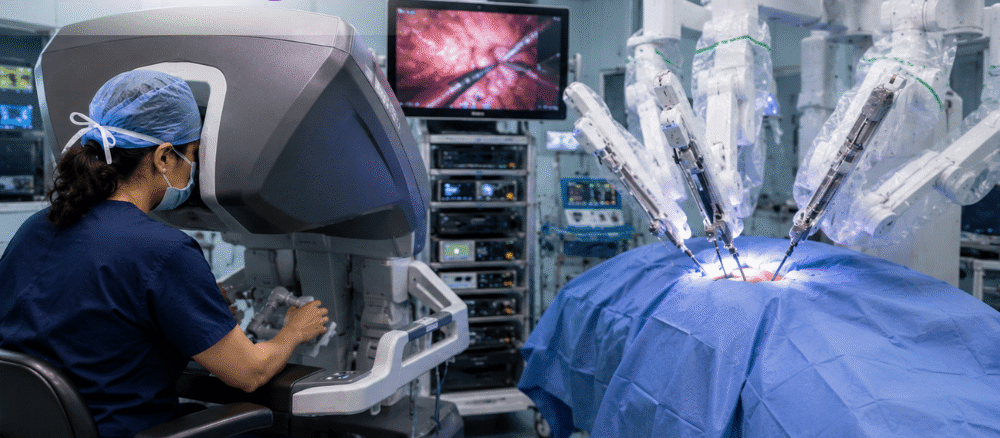
Cancer treatment has undergone remarkable advancements over the past decade, and one of the most significant developments is robotic-assisted surgery. By combining the expertise of highly trained surgical oncologists with advanced robotic technology, modern cancer care has become more precise, minimally invasive, and patient-centered. Today, robotic surgery is helping surgeons perform complex cancer procedures with greater accuracy while improving patient outcomes and recovery times.
As cancer treatment continues to evolve, robotic surgery is increasingly being used for breast, gynecological, thyroid, head and neck, and other cancer surgeries, offering new hope to patients seeking effective treatment with minimal disruption to their daily lives.
What Is Robotic Surgery?
Robotic surgery is a form of minimally invasive surgery in which the surgeon operates through tiny incisions using robotic instruments controlled from a specialized console. Contrary to common misconceptions, the robot does not perform the surgery independently. Every movement is directed by the surgeon, who uses advanced visualization and precision tools to perform delicate procedures.
The robotic system provides:
- High-definition 3D visualization
- Enhanced magnification of surgical areas
- Greater dexterity and range of motion
- Improved precision in complex procedures
- Better access to difficult-to-reach anatomical structures
These advantages have made robotic-assisted surgery an important option in modern oncological surgery.
Why Robotic Surgery Is Revolutionizing Cancer Care
-
Greater Surgical Precision
Cancer surgery often requires the removal of tumors while preserving healthy surrounding tissues. Robotic systems allow surgeons to perform highly precise movements that may be difficult with traditional open surgery. This precision is especially valuable when operating near critical structures such as nerves, blood vessels, and organs.
-
Smaller Incisions and Reduced Trauma
Traditional open cancer surgery may require large incisions, leading to greater tissue disruption. Robotic surgery utilizes small incisions, which can significantly reduce surgical trauma. As a result, patients often experience less discomfort and faster healing.
-
Improved Visualization
The robotic platform provides surgeons with a magnified three-dimensional view of the surgical field. This enhanced visualization helps identify tumors, blood vessels, and delicate anatomical structures with greater clarity, contributing to safer surgical outcomes.
-
Reduced Blood Loss
Because robotic instruments allow highly controlled movements and precise dissection, many procedures are associated with reduced blood loss compared to conventional surgical techniques. This can decrease the need for blood transfusions and contribute to smoother recovery.
-
Faster Recovery and Shorter Hospital Stay
One of the major benefits of minimally invasive cancer surgery is quicker recovery. Many patients undergoing robotic procedures can return to daily activities sooner than those undergoing traditional open surgery. Reduced postoperative pain and shorter hospital stays can also improve the overall treatment experience.
Applications of Robotic Surgery in Cancer Treatment
Robotic technology is being used across multiple cancer specialties, including:
Breast Cancer Surgery
Advanced robotic techniques may support selected breast cancer procedures by improving surgical precision and cosmetic outcomes while maintaining oncological safety.
Gynecological Cancer Surgery
Robotic surgery has become increasingly valuable in treating cancers such as:
- Endometrial cancer
- Cervical cancer
- Ovarian cancer
- Uterine cancer
The technology allows surgeons to operate in confined pelvic spaces with enhanced accuracy.
Thyroid Cancer Surgery
Robotic approaches may help minimize visible scarring while enabling effective tumor removal in carefully selected patients.
Head and Neck Cancer Surgery
Robotic-assisted procedures provide improved access to difficult anatomical areas, helping surgeons treat certain tumors while preserving vital structures whenever possible.
Is Robotic Surgery Safe?
Robotic surgery has been widely adopted by leading cancer centers worldwide and is considered safe when performed by experienced and appropriately trained surgical oncologists. Like all surgical procedures, risks can vary depending on the patient’s condition, cancer stage, and overall health.
The success of robotic surgery depends not only on the technology itself but also on the expertise of the surgeon operating the system. Proper patient selection and individualized treatment planning remain essential for achieving optimal outcomes.
The Importance of Choosing an Experienced Surgical Oncologist
Advanced technology can significantly enhance cancer treatment, but clinical expertise remains the foundation of successful outcomes. Patients should seek care from specialists who have extensive training in surgical oncology and robotic-assisted procedures.
Dr. Seema Singh is an accomplished Surgical Oncologist and Robotic Oncosurgeon with more than 14 years of experience in cancer care. She serves as Associate Director – Surgical Oncology & Robotic Oncosurgery (Breast & Gynae Unit) at Max Institute of Cancer Care, Vaishali. Her training includes advanced fellowship experience in robotic oncosurgery, and her clinical practice focuses on breast and gynecological cancers, robotic cancer surgery, and advanced oncological procedures.
The Future of Robotic Cancer Surgery
The future of cancer treatment continues to be shaped by technological innovation. Improvements in robotic platforms, imaging systems, and surgical navigation are expected to further enhance precision, safety, and patient outcomes. Hospitals across India and globally are increasingly expanding robotic surgery programs because of their potential to deliver safer procedures, improved surgical accuracy, and faster recovery for patients.
Patients searching for the BEST ROBOTIC CANCER SURGEON IN GHAZIABAD should consider factors such as specialized training, surgical experience, expertise in robotic oncological procedures, and a proven commitment to evidence-based cancer care.
Conclusion
Robotic surgery is transforming modern cancer treatment by offering greater precision, minimally invasive techniques, reduced recovery time, and improved patient comfort. While technology continues to advance, successful cancer treatment ultimately depends on the expertise of skilled specialists who can combine innovation with personalized care. For individuals seeking guidance from the BEST SURGICAL ONCOLOGIST IN GHAZIABAD, consulting an experienced robotic cancer surgeon can help determine the most appropriate treatment approach based on the type and stage of cancer.
Leave feedback about this