

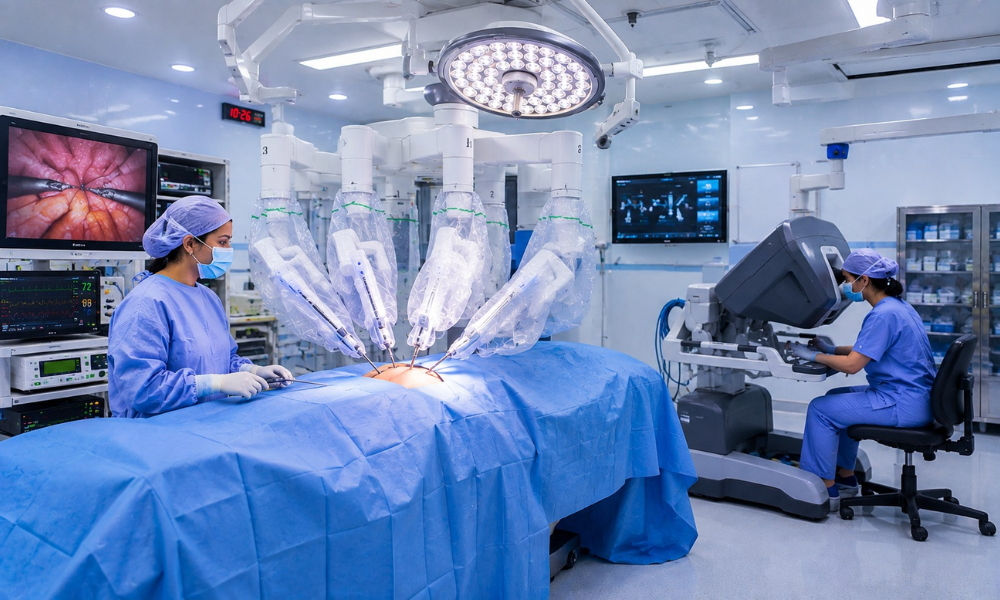
Ovarian cancer is among the most challenging gynecological cancers, and for many women, surgery is the most important step in treatment. While receiving a diagnosis can feel overwhelming, understanding the surgical process can help reduce anxiety and prepare patients for the journey ahead. From the initial consultation and pre-operative tests to recovery and follow-up care, every stage of treatment is carefully planned to achieve the best possible outcome.
Ovarian cancer surgery is not a one-size-fits-all procedure. The type of operation depends on several factors, including the stage of cancer, the patient’s overall health, age, fertility goals, and whether the disease has spread to nearby organs. A personalized treatment plan prepared by an experienced surgical oncology team ensures that each patient receives the most appropriate care.
This guide explains what patients can expect before, during, and after ovarian cancer surgery, helping them make informed decisions with confidence.
Why Is Surgery Important in Ovarian Cancer Treatment?
Unlike many other cancers, surgery plays a central role in both diagnosing and treating ovarian cancer. It helps doctors confirm the disease, determine how far it has spread, and remove as much of the cancer as possible. The amount of tumor removed during surgery is one of the most significant factors influencing treatment success and long-term outcomes.
In many cases, surgery is followed by chemotherapy or targeted therapy to eliminate microscopic cancer cells that may remain after the operation. When surgery and medical treatments are combined effectively, patients often achieve better disease control and improved quality of life.
Who Needs Ovarian Cancer Surgery?
Surgery is recommended for most women diagnosed with ovarian cancer. However, the timing and type of surgery depend on individual circumstances.
Your cancer specialist may recommend surgery if:
- Imaging tests suggest a suspicious ovarian mass.
- The disease appears to be confined to the ovary.
- Tissue is required to confirm the diagnosis.
- Cancer needs to be removed before chemotherapy.
- The tumor has responded to chemotherapy and can now be safely removed.
For some women with advanced disease, chemotherapy may be given first to shrink the tumor before surgery. This approach, known as neoadjuvant chemotherapy, helps make surgery safer and more effective in selected patients.
Preparing for Ovarian Cancer Surgery
Good preparation helps reduce surgical risks and supports a smoother recovery. Before the procedure, your healthcare team performs a comprehensive evaluation to understand your overall health and create a personalized surgical plan.
Medical Assessment
Your doctor may recommend several investigations before surgery, including:
- Blood tests
- CA-125 tumour marker (when appropriate)
- Ultrasound, CT scan, or MRI
- Chest evaluation
- Electrocardiogram (ECG)
- Anaesthesia assessment
- Review of current medications and medical history
These investigations help determine the stage of the disease and whether additional organs may be involved.
Understanding Your Surgical Plan
Before the operation, your surgeon will explain:
- The purpose of surgery
- The organs that may need to be removed
- Potential benefits and risks
- Expected recovery time
- Whether chemotherapy may be required afterwards
Patients should use this consultation to ask questions, discuss concerns, and understand the expected outcomes.
Can Fertility Be Preserved?
Many younger women diagnosed with early-stage ovarian cancer are concerned about future pregnancy.
If the cancer is detected early and confined to one ovary, fertility-preserving surgery may be considered in carefully selected cases. The decision depends on:
- Cancer stage
- Tumour type
- Patient’s age
- Future pregnancy plans
- Overall health
An experienced surgical oncologist carefully evaluates whether preserving fertility is medically safe without compromising cancer treatment.
Types of Ovarian Cancer Surgery
The surgical approach varies according to the stage and extent of the disease.
-
Surgical Staging
If ovarian cancer appears to be in its early stages, staging surgery helps determine whether the disease has spread beyond the ovaries.
This procedure may involve:
- Removal of the affected ovary
- Examination of the opposite ovary
- Removal of the uterus when necessary
- Removal of the fallopian tubes
- Omentectomy (removal of the fatty tissue covering abdominal organs)
- Lymph node sampling
- Tissue biopsies from surrounding areas
Accurate staging allows doctors to recommend the most appropriate treatment while avoiding unnecessary procedures.
-
Cytoreductive (Debulking) Surgery
When ovarian cancer has spread within the abdomen, the main objective is to remove as much visible cancer as possible.
Depending on the disease extent, surgery may include removal of:
- Both ovaries
- Fallopian tubes
- Uterus
- Omentum
- Enlarged lymph nodes
- Portions of the bowel
- Appendix
- Cancer deposits from nearby organs
Research has shown that patients whose visible tumour is completely or nearly completely removed generally have better treatment outcomes.
-
Minimally Invasive Surgery
For carefully selected patients with early-stage ovarian cancer, minimally invasive surgery may be an option.
This technique uses small incisions and specialised instruments, offering several potential benefits:
- Reduced postoperative pain
- Smaller surgical scars
- Less blood loss
- Faster recovery
- Shorter hospital stay
However, not every patient is a candidate for minimally invasive surgery. The decision depends on tumour size, location, and overall disease spread.
What Happens on the Day of Surgery?
On the day of your operation, you will be admitted to the hospital and prepared by the surgical team. After meeting the anaesthesiologist, you will receive general anaesthesia, ensuring that you remain asleep and pain-free throughout the procedure.
During surgery, the surgeon carefully examines the abdominal cavity to assess the extent of the disease. Tissue samples may be collected for laboratory analysis, and visible tumours are removed according to the planned surgical approach. If cancer has spread to nearby structures, additional procedures may be performed to achieve the safest and most complete tumour removal possible.
The duration of surgery varies depending on the complexity of the case and may range from a few hours to longer for advanced-stage disease.
Expert Surgical Care Makes a Difference
Successful ovarian cancer treatment depends not only on timely surgery but also on the expertise of the treating team. Surgical planning, precision during the operation, and coordinated postoperative care all contribute to better outcomes.
Dr. Seema Singh is a highly experienced Surgical Oncologist with advanced training in breast and gynecological cancers. She completed her MBBS, MS (General Surgery), and MCh in Surgical Oncology from AIIMS, New Delhi, one of India’s premier medical institutions. With over 14 years of experience, she has managed a wide spectrum of complex cancer cases and has expertise in advanced and robotic cancer surgery. Currently serving as Associate Director – Surgical Oncology & Robotic Oncosurgery (Breast & Gynae Unit) at Max Institute of Cancer Care, Vaishali, she believes in delivering evidence-based, patient-centric care through a multidisciplinary treatment approach tailored to every individual’s needs.
Recovery After Ovarian Cancer Surgery
Recovery is different for every patient and depends on the type of surgery performed, overall health, and the stage of cancer. While some women resume routine activities within a few weeks, others may require a longer healing period, especially after extensive debulking surgery.
Hospital Stay
Most patients remain in the hospital for a few days after surgery so their recovery can be closely monitored. During this time, the medical team checks:
- Blood pressure and heart rate
- Pain levels
- Wound healing
- Bowel and bladder function
- Signs of infection or bleeding
The length of stay depends on the complexity of the procedure and the patient’s progress.
Managing Pain After Surgery
Some discomfort is expected after any major operation, but modern pain management techniques help patients recover more comfortably.
Your doctor may prescribe:
- Intravenous pain medication initially
- Oral pain relievers before discharge
- Medicines to reduce nausea and prevent constipation if needed
Good pain control encourages early movement, improves breathing, and lowers the risk of complications.
Returning to Daily Activities
Recovery should be gradual. Most patients are encouraged to walk within a day after surgery, as gentle movement improves circulation and supports faster healing.
During the first few weeks:
- Avoid lifting heavy objects.
- Get enough rest while remaining lightly active.
- Eat balanced meals rich in protein and fibre.
- Drink adequate fluids.
- Follow your surgeon’s wound-care instructions.
Most women can gradually return to normal daily activities within 4–8 weeks, depending on the extent of surgery.
Possible Risks and Complications
Like any major surgical procedure, ovarian cancer surgery carries certain risks. However, these risks are significantly reduced when the operation is performed by an experienced surgical oncology team.
Possible complications include:
- Infection
- Excessive bleeding
- Blood clots
- Delayed bowel function
- Injury to nearby organs such as the bladder or intestine
- Temporary urinary problems
- Anaesthesia-related complications
Patients should immediately contact their healthcare provider if they experience persistent fever, severe abdominal pain, increasing redness around the incision, unusual swelling, or difficulty breathing after returning home.
Will Additional Treatment Be Needed?
Surgery is often only one part of ovarian cancer treatment. Depending on the final pathology report and the stage of the disease, your oncologist may recommend:
- Chemotherapy
- Targeted therapy
- Maintenance therapy
- Genetic counselling and BRCA testing, where appropriate
The treatment plan is individualized to reduce the risk of recurrence and improve long-term survival.
Follow-Up Care Is Essential
Completing surgery does not mark the end of treatment. Regular follow-up appointments allow doctors to monitor recovery, assess treatment response, and detect any signs of recurrence at an early stage.
Follow-up care may include:
- Physical and pelvic examinations
- Blood investigations, including CA-125 when clinically indicated
- Imaging tests if required
- Discussion of new symptoms or side effects
Patients should not ignore symptoms such as persistent bloating, pelvic discomfort, unexplained weight loss, or changes in bowel or bladder habits, as these require medical evaluation.
Why Experience Matters in Ovarian Cancer Surgery
Ovarian cancer surgery requires advanced surgical skills and careful decision-making. The quality of surgery can directly influence treatment outcomes, recovery, and future quality of life.
Dr. Seema Singh is committed to providing evidence-based, patient-focused cancer care using modern surgical techniques and a multidisciplinary approach. Her expertise in breast and gynecological cancers, robotic oncosurgery, and complex cancer procedures enables patients to receive personalized treatment plans based on the latest clinical guidelines. Every patient receives detailed counselling, transparent communication, and compassionate support throughout the treatment journey.
Choosing the Right Cancer Specialist
Selecting the right surgeon is one of the most important decisions after an ovarian cancer diagnosis. Factors such as specialized training, experience in complex cancer surgeries, access to advanced technology, and coordinated multidisciplinary care can make a meaningful difference in treatment outcomes.
If you are looking for the best Ovarian Cancer doctor in Vaishali, consult a specialist who has extensive experience in managing ovarian cancers and offers individualized treatment plans tailored to each patient’s medical condition and long-term well-being.
Conclusion
Ovarian cancer surgery is a critical step in treating the disease and offers the best opportunity to remove cancer effectively. Understanding what to expect before, during, and after the procedure helps patients approach treatment with greater confidence and realistic expectations. Early diagnosis, expert surgical planning, and consistent follow-up care all contribute to better outcomes and an improved quality of life.
If you are searching for an experienced Ovarian Cancer Surgeon, choose a specialist with dedicated expertise in gynecologic oncology, advanced surgical techniques, and multidisciplinary cancer management to ensure personalized and evidence-based care.
Frequently Asked Questions (FAQs)
- How long does ovarian cancer surgery usually take?
The duration depends on the complexity of the procedure. Most surgeries last between three and six hours, while extensive surgeries may take longer.
- Is ovarian cancer surgery painful?
Patients remain under general anaesthesia during the operation. After surgery, pain is managed with medications to keep patients as comfortable as possible.
- When can I resume normal activities?
Light activities usually begin within a few days, but complete recovery may take four to eight weeks, depending on the type of surgery performed.
- Will I need chemotherapy after surgery?
Many patients require chemotherapy after surgery. The decision depends on the cancer stage, pathology findings, and overall treatment plan.
- Can ovarian cancer return after surgery?
Yes. Although surgery removes visible cancer, recurrence is possible. Regular follow-up visits help detect any recurrence early and guide further treatment if needed.
- What lifestyle changes support recovery?
Eating a nutritious diet, staying physically active within your doctor’s recommendations, maintaining a healthy weight, and attending follow-up appointments all contribute to better recovery and long-term health.
- When should I contact my doctor after surgery?
Seek immediate medical attention if you develop persistent fever, severe abdominal pain, heavy bleeding, wound discharge, swelling in the legs, chest pain, or difficulty breathing.
Leave feedback about this